The Case of Bonaire – EJIL: Speak! – Cyber Tech
On the twenty eighth of January, the District Courtroom of the Hague rendered its judgment within the case of Greenpeace v. the Netherlands. The case addressed the Dutch State’s mitigation and adaptation obligations in the direction of the Caribbean territory of the Kingdom of the Netherlands, particularly Bonaire – a small island located off the coast of Venezuela with the standing of a ‘particular municipality’ throughout the Netherlands.
Because the District Courtroom compellingly noticed, though it has been recognized for many years that Bonaire would expertise the impacts of local weather change earlier and extra severely than the European elements of the Kingdom, measures to fight local weather change on the island had been adopted later and on a extra restricted scale than these carried out in Europe.
The court docket discovered that the Dutch authorities had violated artwork. 8 and 14 of the ECHR, and artwork. 1 of Protocol No. 12 of the Conference. Commentators elsewhere have remarked upon the District Courtroom’s incorporation of the ECtHR’s findings in KlimaSeniorinnen, and its frank dialogue of the discriminatory nature of Dutch local weather insurance policies within the Caribbean. Nonetheless, the Bonaire case can be notable for being one of many first local weather judgments by which the impacts of local weather change on cultural heritage have been explicitly thought-about.
Cultural heritage in local weather litigation
Cultural heritage has lengthy been marginalised in debates on local weather change. Neither the UNFCCC nor the Paris Settlement point out tradition, regardless that cultural heritage is each threatened by local weather change and may foster local weather adaptation; solely lately have heritage issues begun to look in COP choices. Likewise, local weather change has step by step gained larger prominence inside UNESCO’s cultural conventions after lengthy being sidelined.
The identical holds true for the inclusion of cultural heritage inside local weather litigation. Cultural claims in early local weather circumstances had been typically declared inadmissible. Following on the heels of a 2020 report by the UN Particular Rapporteur on Cultural Rights, the Human Rights Committee’s 2022 choice in Billy v. Australia constituted the primary engagement by a world judicial physique on the problem. The Committee held that Australia’s failure to take well timed and sufficient local weather adaptation measures violated the Torres Strait Islanders’ proper to house, personal and household life (artwork. 17 ICCPR) and their cultural rights (artwork. 27 ICCPR), expressly recognizing the destructive impacts of local weather change on their potential to take care of their religious ties to their conventional lands.
Comparable considerations had been raised within the pleadings of small-island States within the latest ICJ advisory proceedings on the Obligations of States in respect of Local weather Change, however had been solely marginally acknowledged by the Courtroom (para. 72), drawing critique. By comparability, the IACtHR addressed the problem in far larger depth in its 2025 Advisory Opinion, explicitly recognising local weather change as a menace to cultural rights (para. 449) and affirming that States bear particular duties to guard cultural rights within the local weather context, inter alia by integrating cultural issues into adaptation planning, refraining from dangerous conduct, and taking steps to guard, preserve, and rehabilitate affected heritage.
The District Courtroom’s findings
The impacts of local weather change on cultural heritage shaped a major component of Greenpeace’s written submissions within the Bonaire case. Drawing explicitly on Billy, Greenpeace argued that by failing to undertake adaptation measures for Bonaire, the Dutch State had violated artwork. 27 of the ICCPR, asserting that it’s obligated to guard the cultural rights of minorities inside its territory from the impacts of local weather change.
The District Courtroom concurred that local weather change is impacting – and can more and more threaten – Bonaire’s surroundings and cultural lifeways, noting that low-lying areas the place a lot materials cultural heritage is positioned or intangible heritage is practiced (e.g., coastal historic buildings and conventional fishing or agriculture) are particularly susceptible to sea-level rise and excessive climate (paras. 4.4–4.5 and 4.28–4.29).
While the court docket performed an ‘general evaluation’ of the State’s mitigation and adaptation measures (10.24.5), its issues on heritage primarily associated to adaptation. It held that the State’s failure to undertake a well timed and complete local weather adaptation plan negatively impacted the Bonaireans’ potential to get pleasure from their tradition (11.23-24). Taken along with its failure to pursue an sufficient mitigation coverage (12.1), the court docket held that the State had violated its obligations beneath artwork. 8 ECHR – which it interpreted to incorporate safety of the enjoyment of cultural life – and that unequal safety in comparison with the European Netherlands additional compounded the State’s discriminatory interference with cultural rights (11.50). Surprisingly, the court docket uncared for to quote Billy in its judgment.
While the State argued that it had already taken measures to safeguard Bonairean tradition from the impacts of local weather change, equivalent to by means of the conclusion of a ‘cultural covenant’ with Caribbean public entities in 2022 and the institution of a devoted ‘Local weather Desk’ in 2023, the court docket thought-about these measures inadequate within the absence of a devoted adaptation plan for Bonaire, ordering the State to undertake such a plan by 2030 (12.4). Certainly, the above-mentioned cultural covenant doesn’t explicitly point out local weather change; the extra lately adopted Bonaire Cultural Agenda for 2024-2028 solely briefly does so. In any occasion, the court docket famous that the State had didn’t undertake these measures in a well timed style.
Shortcomings
Whereas the case is important – being one of many first home local weather judgments to think about the impacts of local weather change on cultural heritage – a number of shortcomings stay.
For one, the court docket examined Greenpeace’s arguments beneath artwork. 27 ICCPR solely by means of the lens of artwork. 8 ECHR (10.6). Though this strategy could seem promising – provided that artwork. 8 just isn’t formally restricted to minority teams, in contrast to artwork. 27 ICCPR – it dangers entrenching the judgment throughout the ECtHR’s restrictive jurisprudence on cultural heritage. The ECHR doesn’t expressly recognise a common particular person proper to tradition, and has largely confined its safety of cultural rights to nationwide minorities and Indigenous peoples. In consequence, the broader relevance of the case past minority settings could stay restricted.
This limitation might have been prevented by participating with a wider set of norms, together with artwork. 15 of the ICESCR and UNESCO’s cultural conventions. The CESCR has repeatedly highlighted disparities within the enjoyment of cultural rights within the Caribbean elements of the Kingdom, together with in relation to local weather change. Furthermore, whereas no Bonairean websites or practices have been inscribed pursuant to the World Heritage and Intangible Cultural Heritage Conventions, these treaties are relevant all through the Kingdom and impose safeguarding obligations extending past formally inscribed heritage. Their evolving interpretative follow explicitly recognises local weather change as a menace requiring preventive and adaptive measures.
By not drawing on these frameworks, the court docket missed a chance for cross-fertilisation, depriving its evaluation of a extra strong normative basis than artwork. 8 ECHR alone can provide. Whereas the provisions of the ICESCR and the cultural conventions typically would not have direct impact throughout the Dutch authorized order (and, certainly, weren’t invoked by the candidates), home courts can use such provisions to help within the interpretation of provisions with direct impact. Such a framework would have furthermore enabled the Courtroom to scrutinise differential cultural heritage insurance policies throughout the Kingdom in a way analogous to its broader equality evaluation beneath artwork. 14 ECHR.
Finally, the court docket restricted itself to directing the State to undertake ‘efficient measures’, with out clarifying their exact content material (1.7). Notably, it made no order for reparations. Whereas this mirrors the candidates’ forward-looking strategy – searching for acceptable mitigation and adaptation measures quite than cures – it additionally echoes a broader marginalisation of reparations inside local weather litigation.
But, there are robust causes to have interaction with this problem. The UNFCCC is presently operationalising its Loss and Injury framework, inside which cultural heritage impacts can qualify as a type of non-economic loss. The ICJ’s 2025 advisory opinion confirmed that the ARSIWA reparations regime applies to breaches of local weather obligations; equally, in Billy, the HRC reaffirmed the State’s obligation to make full reparation for violations of cultural rights. What stays unclear, nonetheless, is how cultural losses ought to be valued.
Within the current case, reparations might embody each compensation and satisfaction. Compensation might handle each financial hurt attributable to decreased tourism revenues and ethical hurt, together with the psychological struggling related to the lack of one’s heritage. Satisfaction would additionally appear significantly apt, given the State’s failure to undertake well timed and sufficient measures.
What does the long run maintain?
On condition that the State could but attraction, the above issues aren’t set in stone. Nonetheless, the Bonaire case marks an vital step in the direction of the judicial recognition of violations of cultural rights ensuing from local weather change. In a area characterised by robust cross-jurisdictional affect, this preliminary recognition has the potential to tell future local weather litigation – and, over time, contribute to a extra sturdy safety and efficient reparation of cultural rights. In doing so, different courts ought to think about the function of cultural rights within the local weather emergency past their conventional framing by means of minority safety. Finally, cultural heritage has the potential to play a pivotal function in securing local weather justice; however doing so would require participating with all the probabilities that heritage legislation and human rights present.

.png?format=1500w "Fortunate dip from a combined bag? Abstract outcomes of the session on the analysis of EU Procurement guidelines — How you can Crack a Nut – Cyber Tech")
Fortunate dip from a combined bag? Abstract outcomes of the session on the analysis of EU Procurement guidelines — How you can Crack a Nut – Cyber Tech

What Is a Petitioner in Probate in Wisconsin? – Cyber Tech
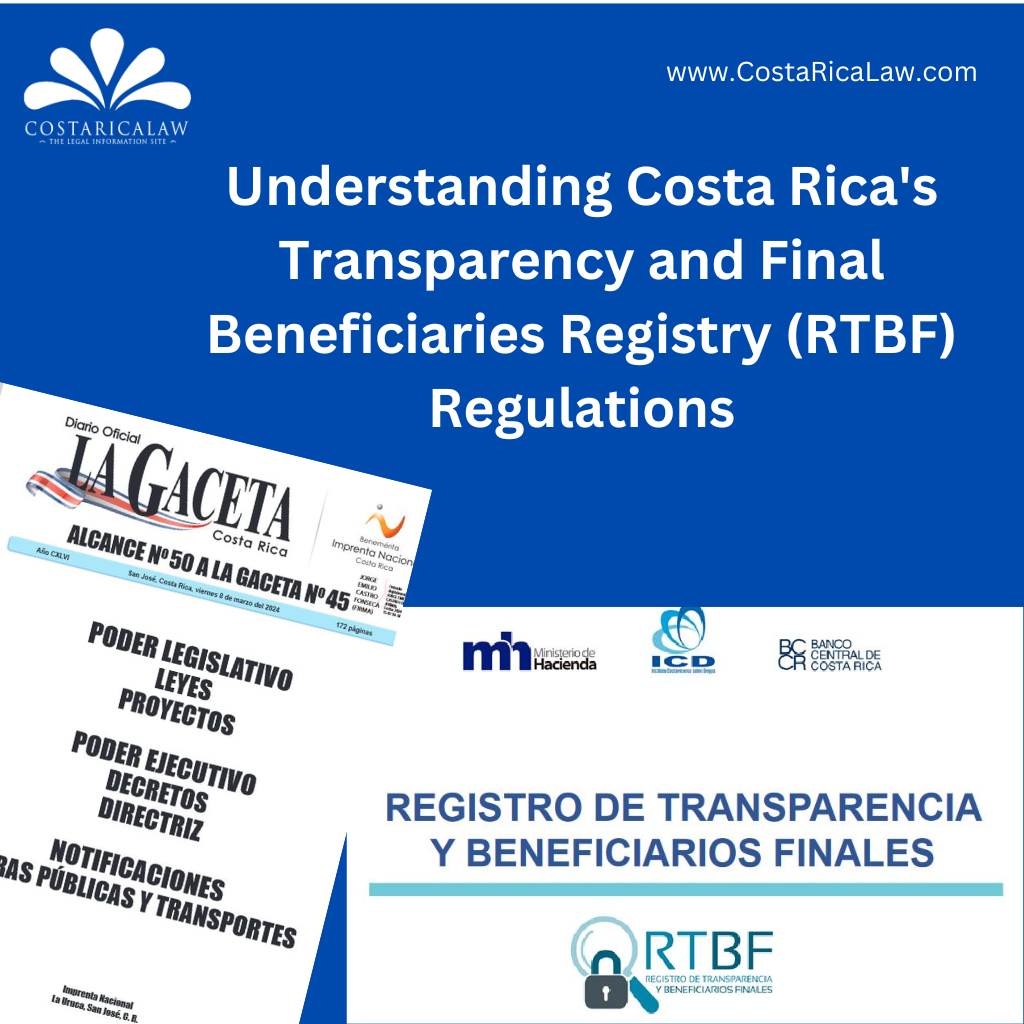
Understanding Costa Rica’s Transparency and Remaining Beneficiaries Registry (RTBF) Laws – Cyber Tech
About The Author

admin
Azeem Rajpoot, the author behind This Blog, is a passionate tech enthusiast with a keen interest in exploring and sharing insights about the rapidly evolving world of technology. With a background in Blogging, Azeem Rajpoot brings a unique perspective to the blog, offering in-depth analyses, reviews, and thought-provoking articles. Committed to making technology accessible to all, Azeem strives to deliver content that not only keeps readers informed about the latest trends but also sparks curiosity and discussions. Follow Azeem on this exciting tech journey to stay updated and inspired.
