GUEST ESSAY: The hidden dangers lurking beneath authorized AI — permission sprawl, governance drift – Cyber Tech
By Ariel Perez
In lots of regulation corporations in the present day, management believes their information is safe. Insurance policies are documented, annual opinions are accomplished, and vendor questionnaires are answered with confidence. On paper, the safeguards look robust.
Associated: The price of regulation agency breaches
But in follow, few corporations have a transparent, present view of how their methods truly behave. That hole between written coverage and operational actuality has existed for years. The fast adoption of AI instruments is now bringing it into sharp focus.
 Analysis assistants, doc evaluate platforms, and productiveness copilots are arriving rapidly in authorized environments. They promise effectivity, and in lots of circumstances they ship it. However these instruments are sometimes launched into information environments the place permissions have collected with out evaluate, entry guidelines are poorly understood, and nobody can clearly clarify who has entry to what, or why. Over time, that drift creates actual publicity in how work is carried out.
Most regulation corporations didn’t design their file methods or repositories with AI in thoughts. Entry controls developed steadily. Individuals joined and left. Roles shifted. Momentary permissions had been granted and by no means revisited. Shared folders multiplied. None of this felt pressing on the time, however the result’s a sort of hidden technical debt, the place coverage and actuality slowly diverged.
The American Bar Affiliation has acknowledged that sustaining consumer confidentiality now requires greater than good intentions. Its steering on expertise competence underneath the Mannequin Guidelines of Skilled Conduct makes clear that attorneys should use affordable safeguards that mirror how information is definitely accessed and utilized in trendy methods, not merely how corporations consider these methods are configured.

Perez
AI methods have a means of exposing the place these assumptions break down. Conventional software program retrieves particular information or solutions narrowly scoped queries. AI methods, against this, function throughout patterns, relationships, and enormous collections of paperwork. They floor data primarily based on no matter entry they’re given. If permissions are overly broad or poorly mapped, the system doesn’t hesitate or appropriate itself. It merely works with what is accessible.
In a single agency we noticed, an AI-powered analysis device was allowed to index closed issues going again greater than a decade. This was not the results of an specific choice. It occurred as a result of nobody had revisited the underlying folder permissions in years. The device behaved precisely as designed. The governance failure occurred a lot earlier, within the quiet accumulation of entry that nobody had reexamined.
Conditions like this are usually not uncommon. In lots of corporations, AI instruments now sit on high of file methods the place former workers nonetheless technically retain entry, the place interns can see historic issues unrelated to their work, or the place confidential consumer materials lives alongside common reference content material. None of this essentially violates written coverage. It does, nonetheless, reveal how far coverage can drift from operational actuality.
The Nationwide Institute of Requirements and Expertise has lengthy emphasised entry management and exercise logging as foundational safeguards for delicate information. Its steering stresses least-privilege entry and ongoing visibility into how information is used over time. As soon as AI methods are added to on a regular basis workflows, these ideas develop into much less theoretical and extra pressing.
Management groups generally assume that distributors are answerable for stopping these outcomes. Distributors do have a job, however AI instruments can solely respect the permissions they inherit. If the underlying information surroundings is unhealthy, vendor assurances might sound reassuring with out truly decreasing danger.
Because of this, policy-focused safety opinions are now not sufficient on their very own. Legislation corporations want to look at technical well being alongside written controls. Meaning understanding who has entry to which methods in the present day, not who was speculated to have entry years in the past, and evaluating how AI instruments work together with present repositories earlier than increasing their use.
A sensible first step is a targeted data-permission evaluate. Delicate repositories ought to be recognized. Entry ought to be examined at a granular degree. Logging ought to be enabled and reviewed. These steps are usually not particularly seen, they usually not often make headlines, however they deal with actual publicity moderately than providing reassurance on paper.
In our work with authorized organizations, we see that corporations which deal with permission sprawl early are likely to undertake AI extra confidently and with fewer surprises. When management understands what their methods are literally doing, new expertise turns into simpler to introduce, not more durable.
Safety within the AI period is now not outlined by the standard of coverage language alone. It relies on whether or not methods behave the way in which management assumes they do. The corporations that acknowledge this now are way more prone to keep away from discovering it later, when the associated fee is increased and the choices are narrower.
In regards to the writer: Ariel Perez is the founding father of AKAVEIL Applied sciences, the place he works with small and mid-sized regulation corporations to design safe, compliant, and environment friendly IT environments, with a concentrate on SaaS infrastructure, cloud safety, and operational reliability.

Microsoft Reveals ClickFix Marketing campaign Utilizing Home windows Terminal to Deploy Lumma Stealer – Cyber Tech
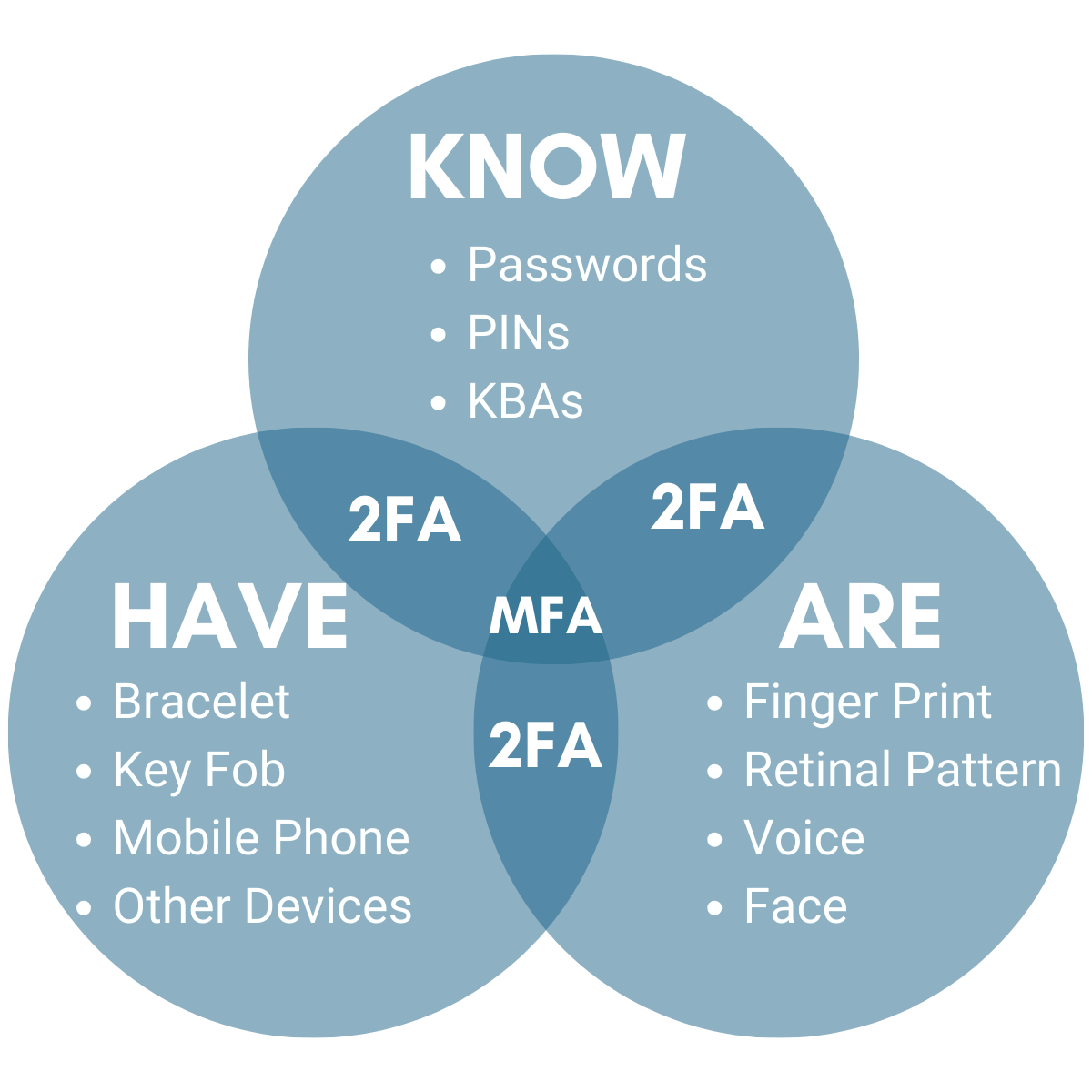
What’s MFA? – Cyber Tech

AI利用を昇進条件に据えるのはアリ?アクセンチュアの事例から考える – Cyber Tech
About The Author

admin
Azeem Rajpoot, the author behind This Blog, is a passionate tech enthusiast with a keen interest in exploring and sharing insights about the rapidly evolving world of technology. With a background in Blogging, Azeem Rajpoot brings a unique perspective to the blog, offering in-depth analyses, reviews, and thought-provoking articles. Committed to making technology accessible to all, Azeem strives to deliver content that not only keeps readers informed about the latest trends but also sparks curiosity and discussions. Follow Azeem on this exciting tech journey to stay updated and inspired.
