ChatGPT isn’t an AI technique—nevertheless it ought to be a strategic software – Cyber Tech
By Bryan Kirschner, Vice President, Technique at DataStax
For all of the deserved enthusiasm concerning the potential of generative AI, “ChatGPT just isn’t your AI technique” stays sound recommendation.
That mentioned, it’s nonetheless worthwhile to consider use giant language mannequin (LLM)-powered instruments like ChatGPT in extra strategic methods.
New analysis from Microsoft on use of its Copilot AI assistant factors to ways in which everybody—from probably the most junior particular person contributor to the CEO—can lean in to doing so in any group.
One of many researchers’ observations was that “LLM-based productiveness instruments could typically present a brand new choice for data employees that didn’t exist earlier than: the power to do a sure set of duties far quicker however with marginally decrease high quality.”
At first look that may sound like a tradeoff.
But when we step again and acknowledge that information employee duties similar to constructing enterprise circumstances, exchanging emails, and placing collectively slide decks are merely means to an finish—on this case, “high-quality choices”—we are able to search for a win-win.
The secret is making intentional decisions about the place the standard comes from.
The worth of going again to the drafting board
One choice is a manner of working that we’ve doubtless all skilled. In “Designing Jobs Proper,” strategist Roger Martin describes it like this:
“Whether or not a CEO has delegated a mission to the president of a enterprise unit, or a enterprise unit president has handed over an initiative to a class supervisor, or a class supervisor has entrusted a model supervisor with a challenge, the sequence of occasions is eerily constant. The subordinates do an infinite quantity of labor to arrange the challenge for assessment by their bosses. They wait till the work is as thorough and bulletproof as doable after which current it for approval.”
Even earlier than generative AI, this strategy, frequent as it’s, had its downsides. For workers who did get “despatched again to the drafting board,” a sense of failure is nearly inescapable–accompanied by dread that now they need to work even more durable to arrange for the subsequent assessment.
And it places managers and executives into one thing of a bind for a way they add worth–so, in consequence, typically: “…bosses have little interest in sagely nodding and saying, ‘Nice work!’ That may be a dumb job. They need an actual, value-adding job. And once they haven’t been given one, they have a tendency to create one which isn’t terribly useful: nitpicking. What about this? Have you considered that?”
If the boss actually does determine a cloth flaw within the staff’s pondering, they’ve certainly protected the standard of a remaining determination, however on the value of demoralization. If they honestly solely poked some holes that basically don’t matter, they’ve triggered each demoralization and useless rework.
And the mindset with which individuals could be primed to strategy that rework might be harmful now that we’re within the age of generative AI, as a result of “we want extra info to bolster our case” is a dangerous, even counter-productive manner to make use of it.
Spark a fruitful dialog with AI
Generative AI has boundless capability to let you know what you need to hear–together with confidently presenting one hundred pc fabrications (“hallucinations”) as info. If a staff presses it for extra info in the hunt for the proper, bulletproof case (whereas the boss faucets it for extra “gotchas”), we’ve spun up a “worst case state of affairs.”
Conversely, generative AI is superb at serving to generate new concepts, quicker, and offering instantaneous–even when imperfect–suggestions and examples that may nonetheless spark a very good dialogue even when they occur to be made up. (Take into consideration hypothetical eventualities: we speak by them as people on a regular basis.)
These “abilities” are an ideal match for a distinct manner of working that additionally predates generative AI. As Martin recommends:
“As an alternative of ready till the eleventh hour to offer bosses a dumb job, give them good jobs alongside the best way. Come again early and say, ‘Boss, I’m defining the issue you gave me as considered one of streamlining our go-to-market strategy to make it less expensive and responsive to finish clients. Does that definition resonate with you? How may you modify or improve it?’ That may be a actual job that bosses can do and can take pleasure in doing, and it’ll assist your technique effort.
“When you’ve doable options, come again and say, ‘Boss, based mostly on the issue definition that we refined, I’ve give you the next three potential options. Are you so allergic to any of them that it isn’t value pursuing? Or is there one other risk floating round in your thoughts that I ought to be contemplating?’ Once more, that’s an ideal job for bosses, and in my expertise of serving to managers have this dialogue, bosses adore it and add worth in taking it on.”
Clearly, this can be a two-way road. Each the staff and the boss should purchase into it.
But when we estimate that generative AI can save a minimum of 25 p.c of the time spent on producing artifacts (like emails and slide decks) whereas preserving 80 p.c of the standard, we now have decisions. One is to shoehorn that again right into a “try for excellent artifacts, then undergo audit” mannequin of attending to high-quality choices.
The opposite—and a much better exploitation of generative AI’s strengths—is “iterate quicker, and put the standard in by collaborative conversations.” These conversations ought to result in convergence on each a most popular determination and an important info to confirm as a way to make that call with confidence–an ideal use for human expertise (fairly than tweaking in any other case “ok” generative AI output).
Reorganize the best way you arrive at choices
Within the transition from steam energy to ubiquitous electrical energy in factories, the massive good points solely got here when manufacturing facility flooring had been reorganized to benefit from freedom from the constraints of steam engines and belts. Within the transition to ubiquitous generative AI, we should always take a lesson from the previous and all the time take into consideration new methods of working as a way to make finest use of the know-how–together with how we manage information work to reach at nice choices.
Study extra about generative AI.
About Bryan Kirschner:
Bryan is Vice President, Technique at DataStax. For greater than 20 years he has helped giant organizations construct and execute technique when they’re in search of new methods ahead and a future materially completely different from their previous. He focuses on eradicating concern, uncertainty, and doubt from strategic decision-making by empirical knowledge and market sensing.

Customers say Google’s VPN app “breaks” the Home windows DNS settings – Cyber Tech

twenty first March | Grow to be Cybersafe – Cyber Tech
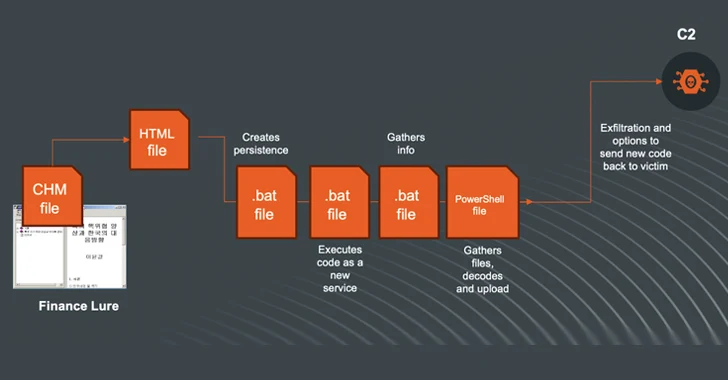
N. Korea-linked Kimsuky Shifts to Compiled HTML Assist Information in Ongoing Cyberattacks – Cyber Tech
About The Author

admin
Azeem Rajpoot, the author behind This Blog, is a passionate tech enthusiast with a keen interest in exploring and sharing insights about the rapidly evolving world of technology. With a background in Blogging, Azeem Rajpoot brings a unique perspective to the blog, offering in-depth analyses, reviews, and thought-provoking articles. Committed to making technology accessible to all, Azeem strives to deliver content that not only keeps readers informed about the latest trends but also sparks curiosity and discussions. Follow Azeem on this exciting tech journey to stay updated and inspired.
