Seafood in College Lunches for Improved Diets and New Markets – Cyber Tech
This weblog is a part of a sequence known as Fish-nomics , inspecting essential subjects regarding seafood trade issues from an economist’s perspective.
Picture courtesy of Tyler Jones, UF/IFAS.
In 2022 america Authorities Accountability Workplace (GAO) issued a report on seafood in class lunch applications. The report discovered that between 2014 and 2019, the USDA’s Nationwide College Lunch Program’s (NSLP) seafood purchases solely accounted for 1.5% of whole animal protein bought by this system. On common, the NSLP offered U.S. college students with solely 3 ounces of seafood per 12 months whereas the USDA’s personal Dietary Tips for People suggest school-age kids eat 4-10 ounces of seafood per week relying on age.
Bettering entry to seafood for youngsters by way of the NSLP represents a possibility to enhance pupil well being and enhance demand for U.S. produced seafood. Rising the share of NSLP purchases of animal protein from seafood to fifteen% would require the USDA to purchase 55.7 million extra kilos of U.S. produced seafood per 12 months.
The necessity for extra seafood in class lunches is highlighted by the truth that USDA information indicated that the majority U.S. school-age kids don’t eat the beneficial quantities prescribed by the Dietary Tips for People. Seafood is a crucial supply of key vitamins, minerals, and nutritional vitamins together with omega-3 fatty acids, nutritional vitamins B12 and D, selenium, zinc, and iodine. Research relating to these vitamins, minerals, and nutritional vitamins have proven advantages together with decreased threat of heart problems, sure cancers, cognitive decline (together with Alzheimer’s illness and dementia), and melancholy, whereas doubtlessly enhancing immune operate, bone well being, eye well being, and fetal and toddler improvement.
The USDA’s Strategic Plan signifies that one of many Company’s targets is to assist and encourage wholesome consuming by working with faculties to enhance entry to nutritious meals choices, like seafood. Nevertheless, to do that the USDA might want to alert consumers for NSLP of the provision of latest seafood merchandise. The GAO report concerned interviews with 20 of those directors as to why they didn’t try to incorporate extra seafood in class lunches by way of the NSLP. The three mostly cited issues included: worries about seafood security, pupil preferences for different animal proteins, and availability of seafood.
Instructional applications for directors, mother and father, and college students may lower issues about seafood security and alter preferences for seafood, whereas instructional applications particularly for directors may enhance the number of seafood provided by way of the NSLP. Between 2014 and 2019, the one seafood merchandise provided by way of this system had been Alaska pollock, canned tuna, and catfish bought from a complete of 11 distributors. Whereas these are good seafood decisions, a greater variety of choices together with shrimp and salmon, the 2 most consumed kinds of seafood within the U.S., may lower worries about pupil preferences for different animal proteins and enhance seafood uptake within the NSLP.
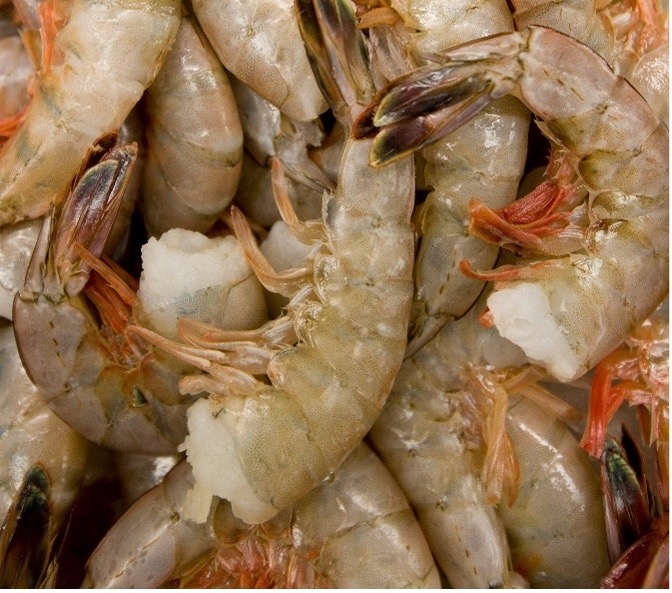
Picture courtesy of Tyler Jones.
Together with shrimp within the NSLP would enhance seafood in pupil diets and bolster certainly one of America’s largest fisheries. Shrimp is by far essentially the most consumed seafood kind within the U.S. and accounts for 29% of whole U.S. seafood consumption, and school-age kids are prone to be conversant in and prepared to eat shrimp by way of the NSLP. Introducing shrimp into the NSLP may enhance the willingness of directors to strive including different seafood choices to high school lunches and make kids extra prepared to strive different kinds of seafood each at college and at residence.
Moreover, together with U.S. wild-caught shrimp within the NSLP would offer one other potential marketplace for the fishery. The U.S. shrimp fishery is without doubt one of the 5 largest business fisheries within the U.S.; nevertheless, cheaper imported shrimp has negatively impacted the fishery and the coastal communities that depend on the fishery. If the share of NSLP animal protein supply purchases from seafood elevated from 1.5% to fifteen%, and simply half of the elevated purchases had been U.S. wild-caught shrimp, the USDA would purchase 27.9 million extra kilos – or 10% of all shrimp landed within the U.S. in 2020. This sort of change to the NSLP would enhance pupil consumption of nutritious high-quality seafood as beneficial by the USDA Dietary Tips for People and profit U.S. fishermen and coastal communities.
If you want to voice your issues in regards to the lack of wholesome seafood choices within the NSLP or different points vital to you, you need to use this hyperlink to seek out your elected officers and speak to them to specific your opinions.
For extra info or questions on seafood in class lunch applications, please contact Andrew Ropicki at aropicki@ufl.edu.

Injured on the Job? How a Staff’ Comp Lawyer Can Assist with Hand Accidents. – Cyber Tech

is the strict interpretation of nationwide public coverage exceptions to the good thing about EU regulation? – European Legislation Weblog – Cyber Tech

Selecting the perfect mind and backbone damage legal professional for Your Mind and Backbone Damage Case. – Cyber Tech
About The Author

admin
Azeem Rajpoot, the author behind This Blog, is a passionate tech enthusiast with a keen interest in exploring and sharing insights about the rapidly evolving world of technology. With a background in Blogging, Azeem Rajpoot brings a unique perspective to the blog, offering in-depth analyses, reviews, and thought-provoking articles. Committed to making technology accessible to all, Azeem strives to deliver content that not only keeps readers informed about the latest trends but also sparks curiosity and discussions. Follow Azeem on this exciting tech journey to stay updated and inspired.
